Mercedes-Benz Point of Sale
Retail & popup showroom apps
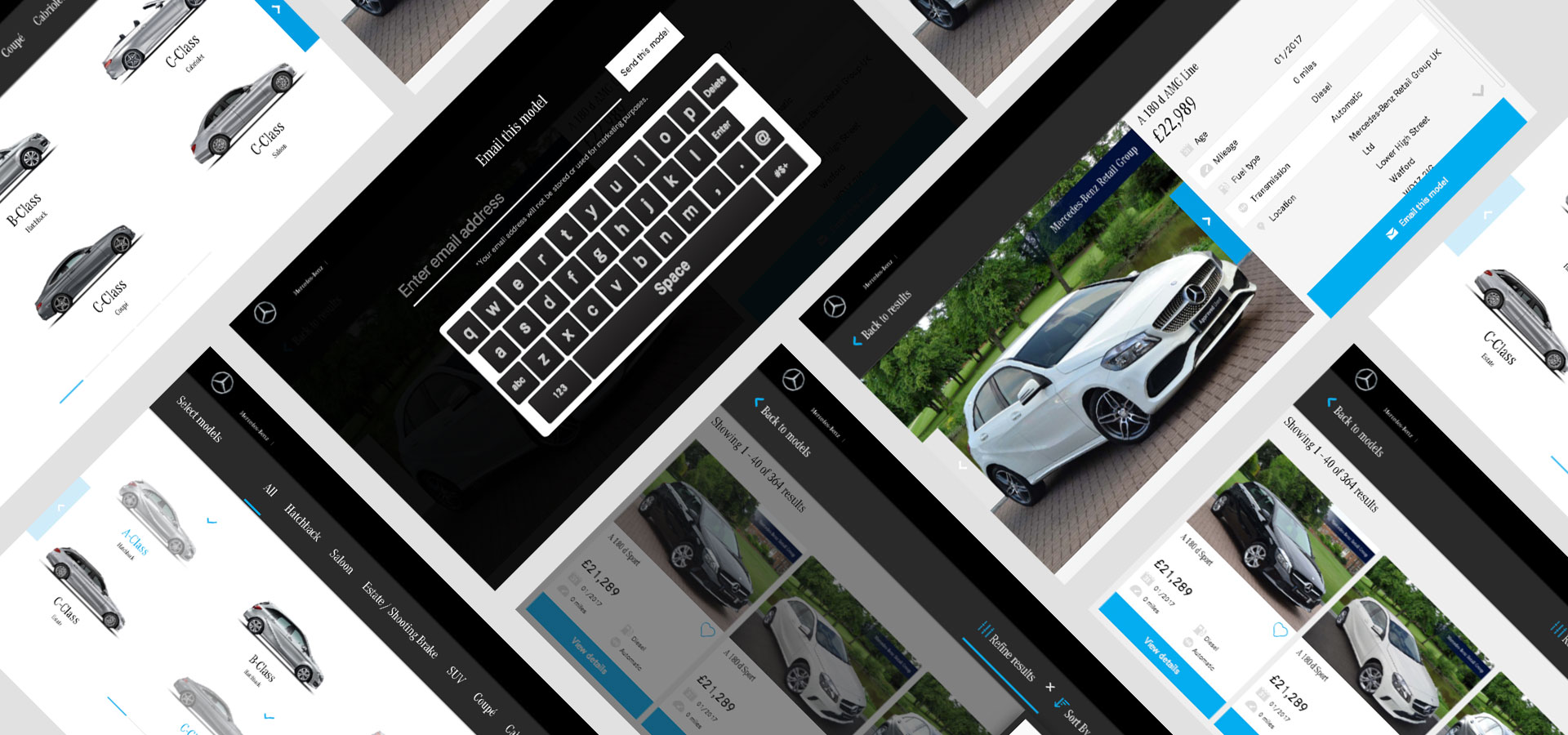
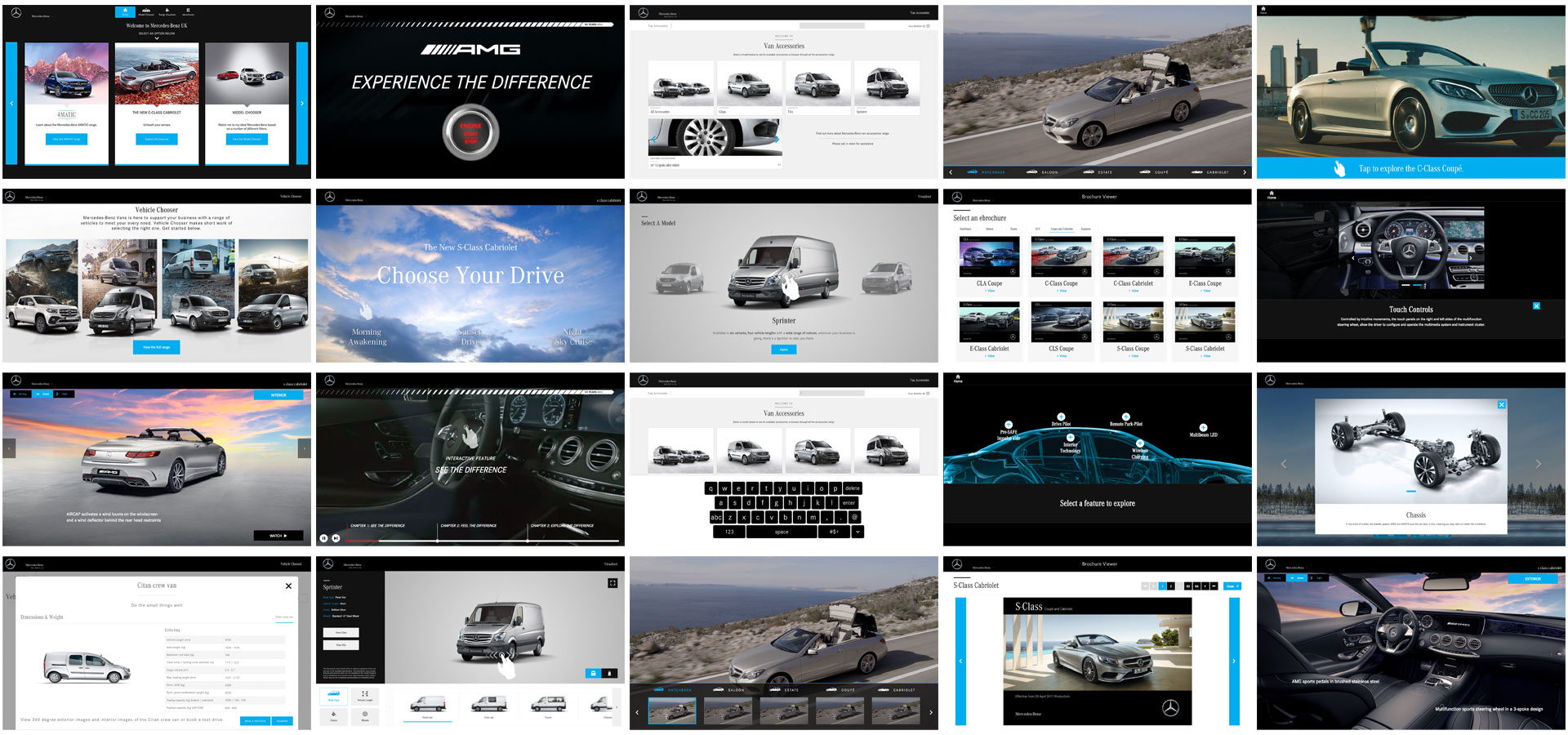
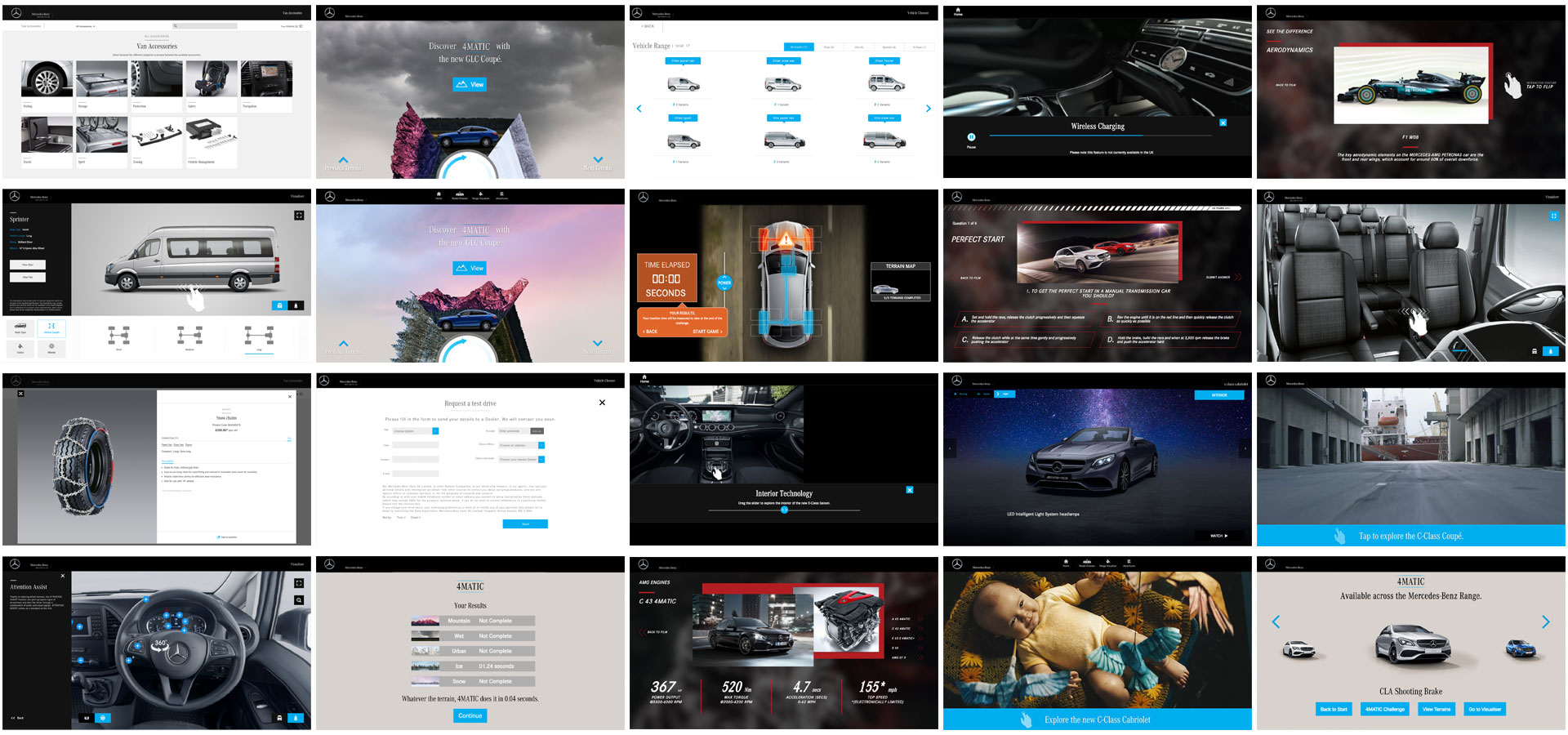
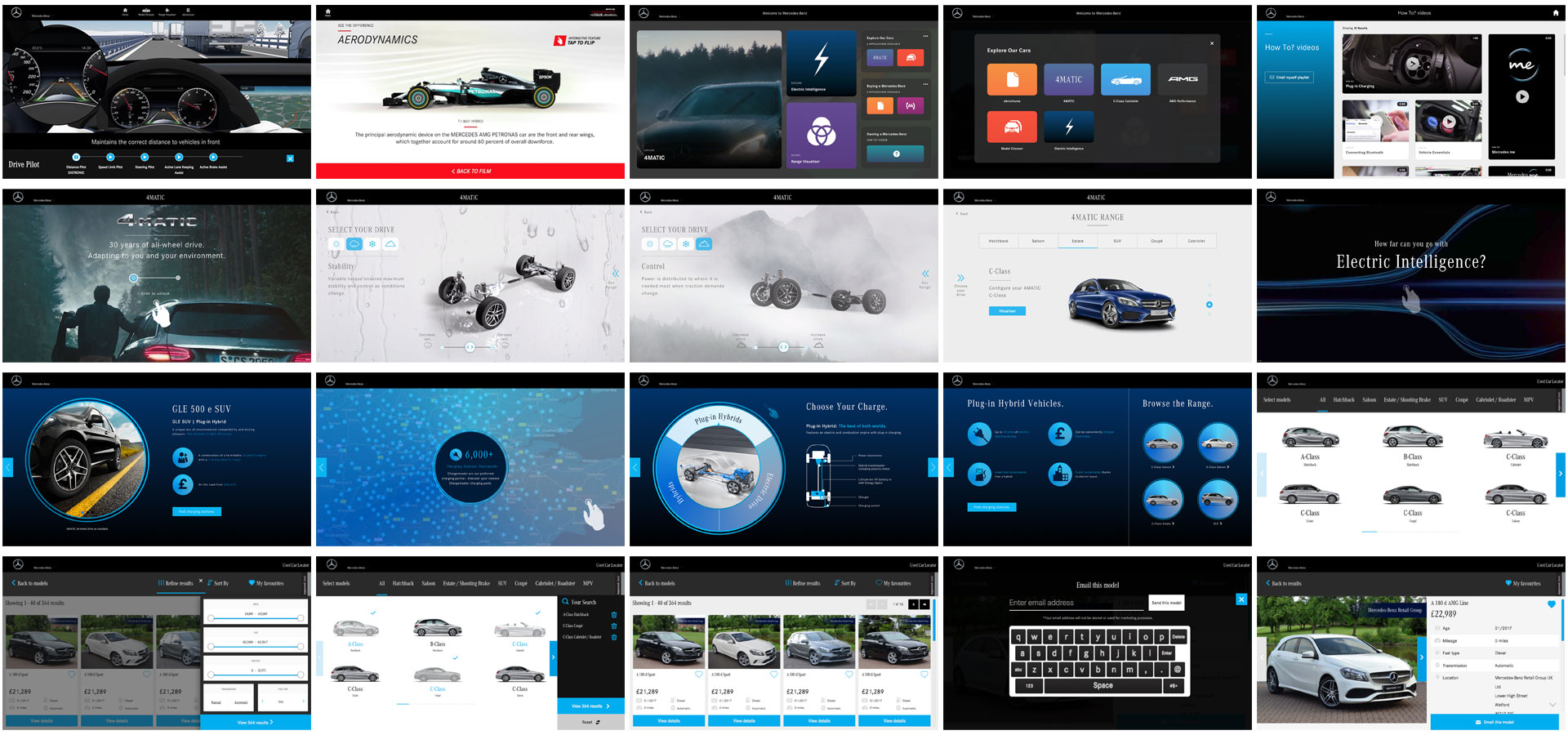
Interactive retail applications for Mercedes-Benz stores, pop-ups and events, from configurators and brochures to connected showroom experiences.
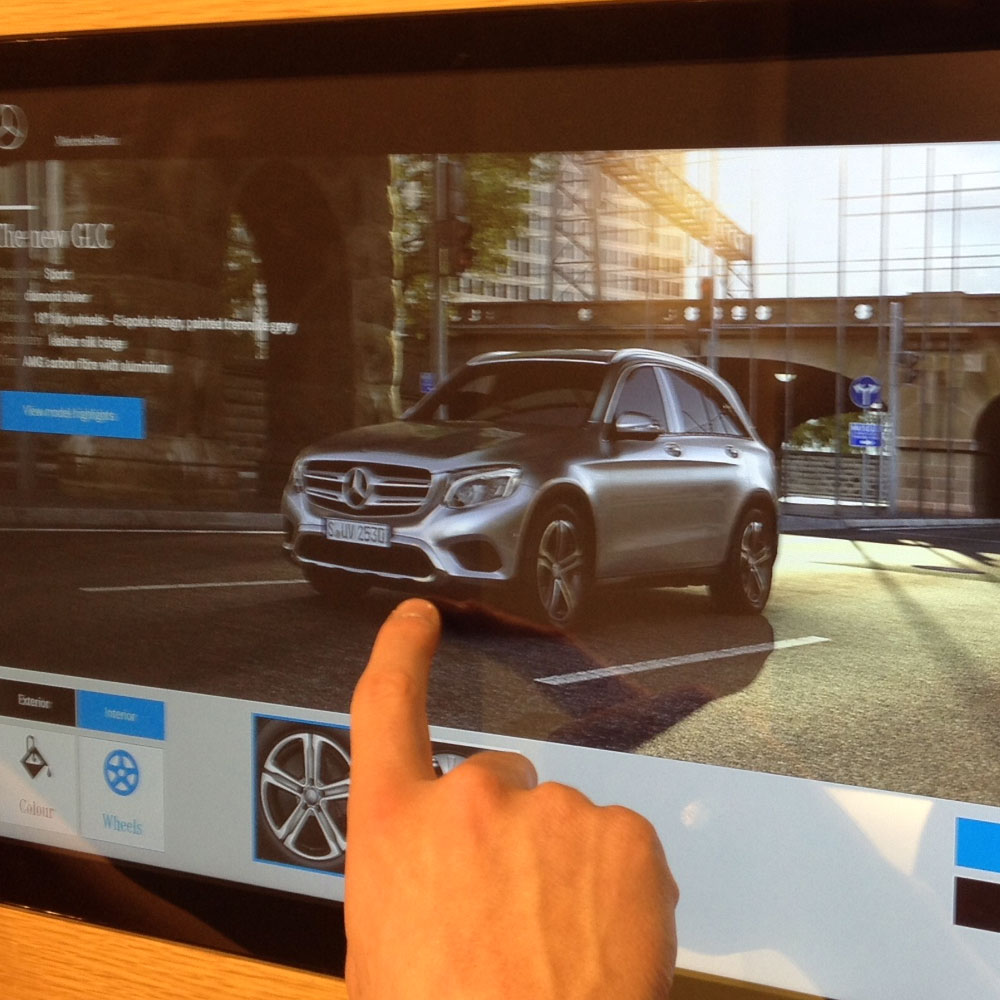
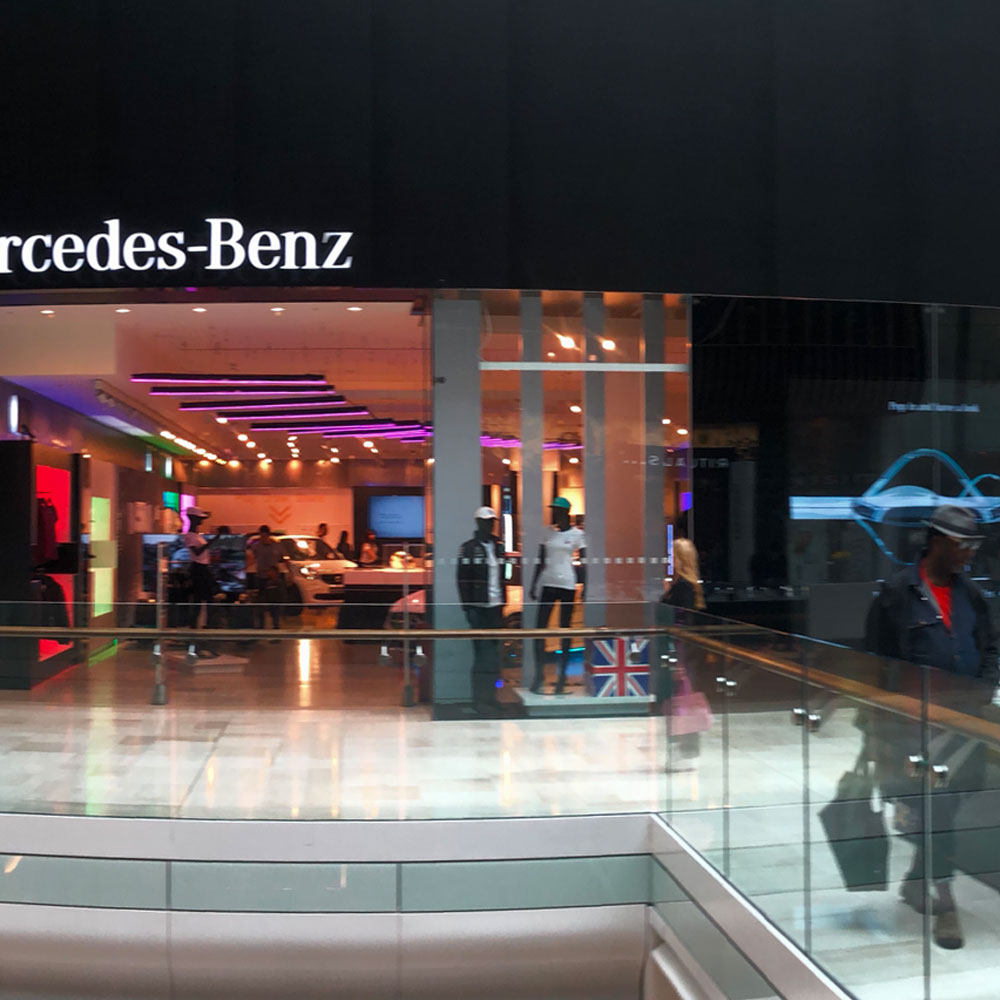
Interactive point-of-sale experiences for Mercedes-Benz retail stores, pop-ups and events — part of the interactive showroom programme from its early days.
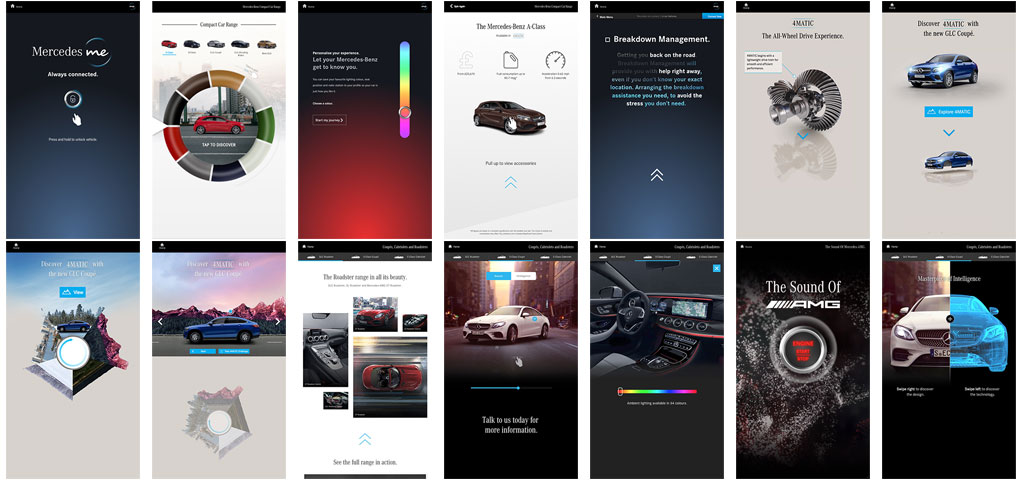
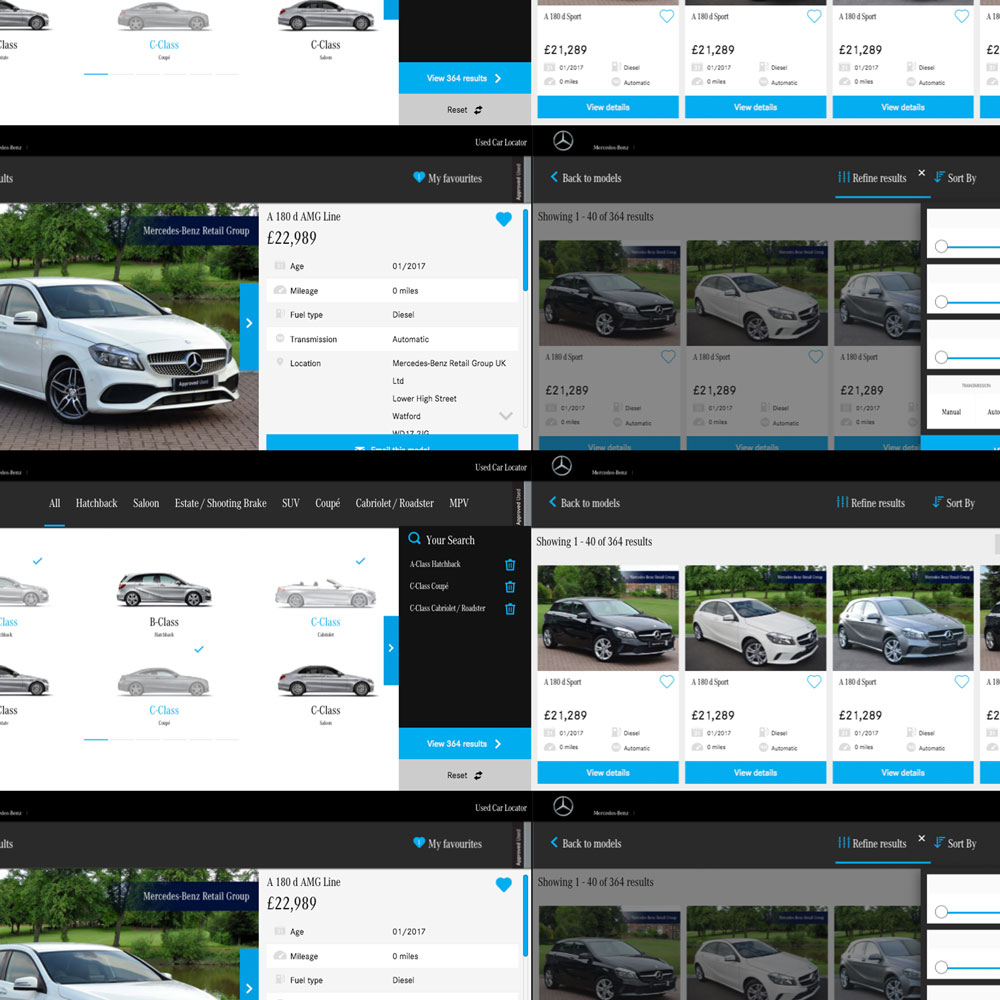
Application layer across configurators, product education, digital brochures, used-car search and campaign content, kept current with as much automation as possible.
With a hardware and remote-management partner, offline-capable solutions were deployed across the retail network.
Most builds ran in Chromium on a custom object-oriented JavaScript framework — HTML5, Node.js, Handlebars, OpenCV, Express, WebSockets, Canvas, Web Audio and DMX lighting.

Research and development
Exploratory work to push showroom engagement — selected examples across projection, 3D, lighting and AR.
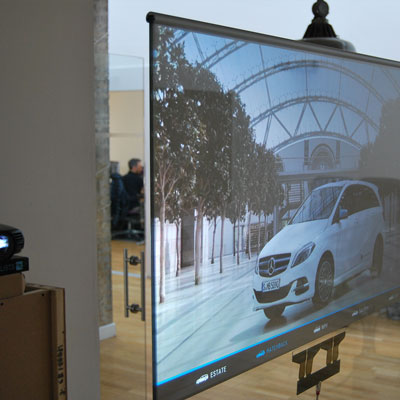
Clear screen
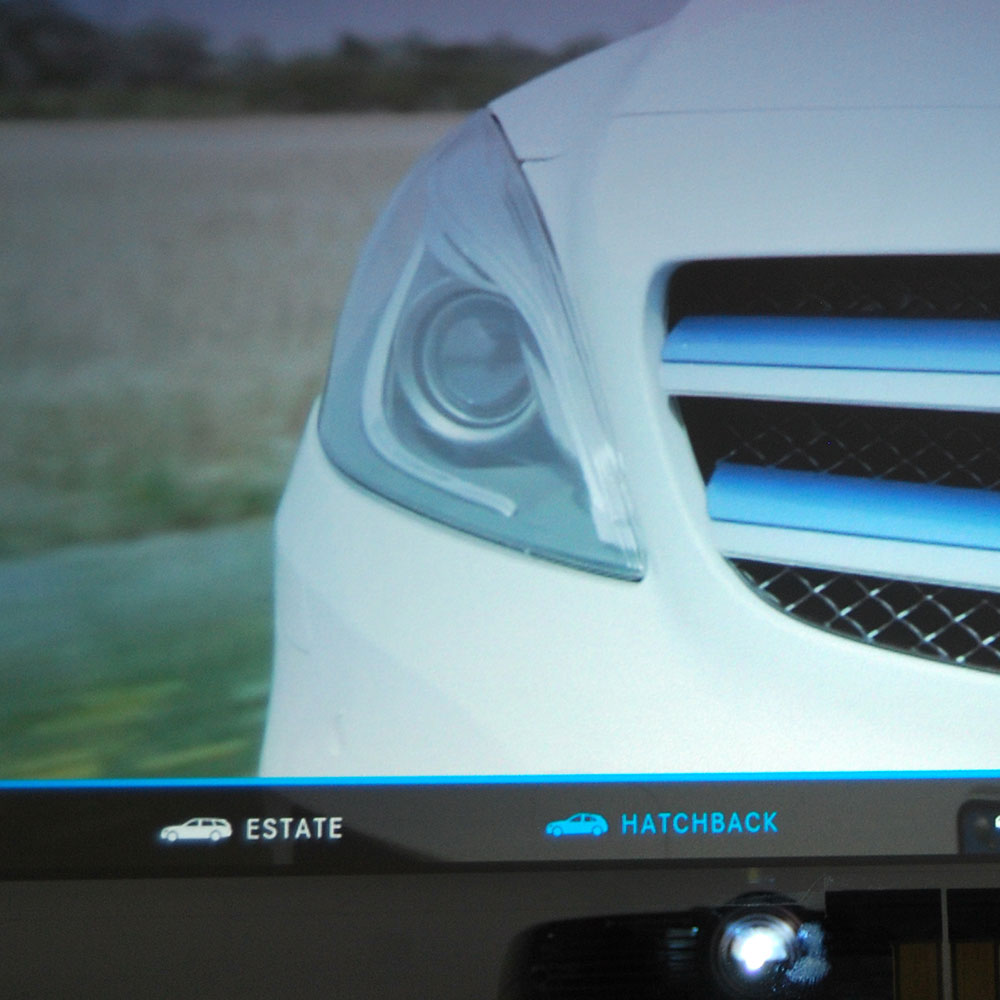
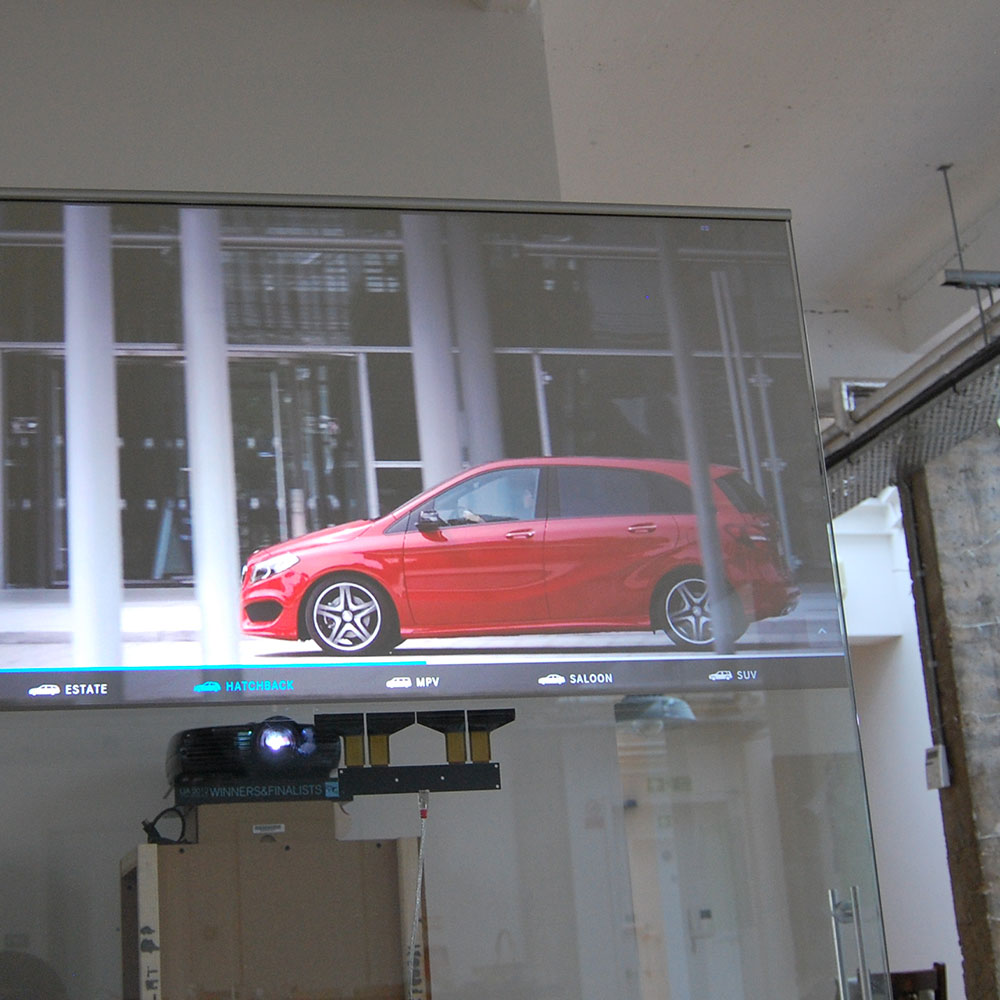
Experiment for an interactive window: back-projection onto glass with a touch foil so the window itself became the input surface.
Useful in controlled spaces, but hard to roll out at retail — lighting affects clarity, projector mounting is not always practical, and touch-foil sizes are limited. Used successfully in office environments rather than the wider dealer network.
3D car configurator with WebSockets
Proof-of-concept 3D configurator for the AMG GT Coupé in Three.js. The model was prepared in 3ds Max — unseen geometry removed, meshes grouped, materials created and named for real-time use — and served from a Node/Express app.
The demo showed how a video wall could be driven from multiple touch points in a showroom; viewing angle was controlled with a Leap Motion (not shown in the video).
Interior tour
Three.js interior tour aligned with interactive features in the Mercedes-Benz iOS apps — built to run on the national site and in kiosk mode.
After idle timeout, kiosk mode stepped through feature hotspots, animating the camera and opening each viewer. Imagery and data loaded dynamically so the pattern could be templated across model ranges. Also supported Google Cardboard / VR headsets and device-motion control on tablet.
Philips Hue & DMX lighting
Ambient lighting integrated into a Dream Car POS experience — first with a Philips Hue controller, animating colour transitions in sync with the content.
Later builds moved to industry-standard DMX, with a small server accepting HTTP requests to set hues and drive lighting animation.
ARKit experiments
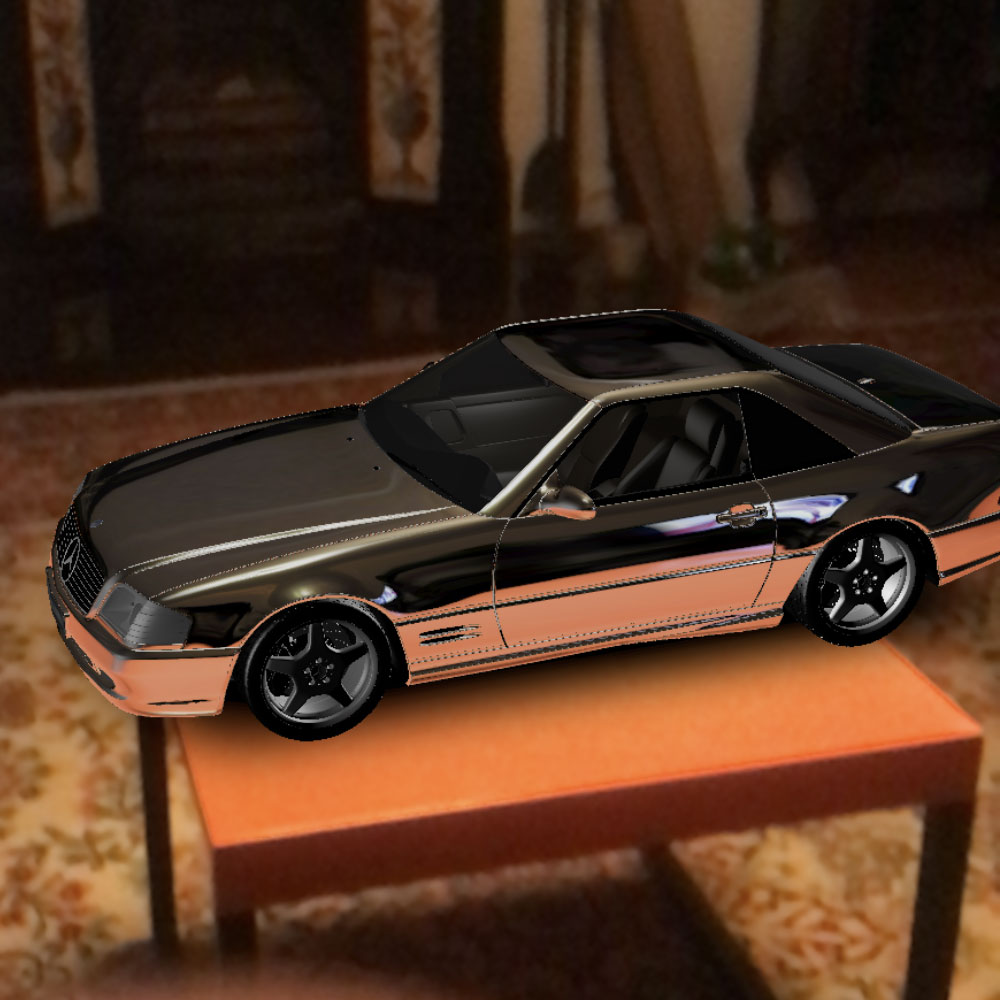
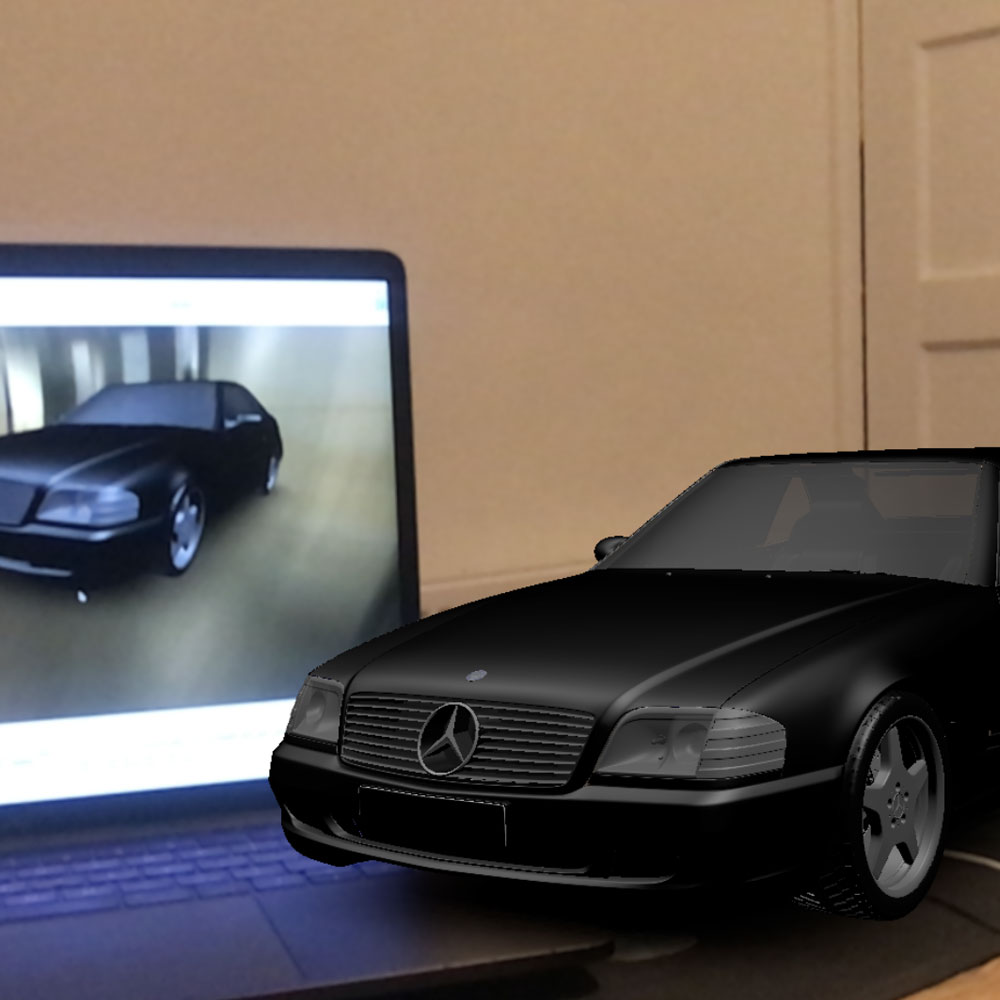
Texture and lighting experiments in ARKit — early exploration for showroom and popup AR features.
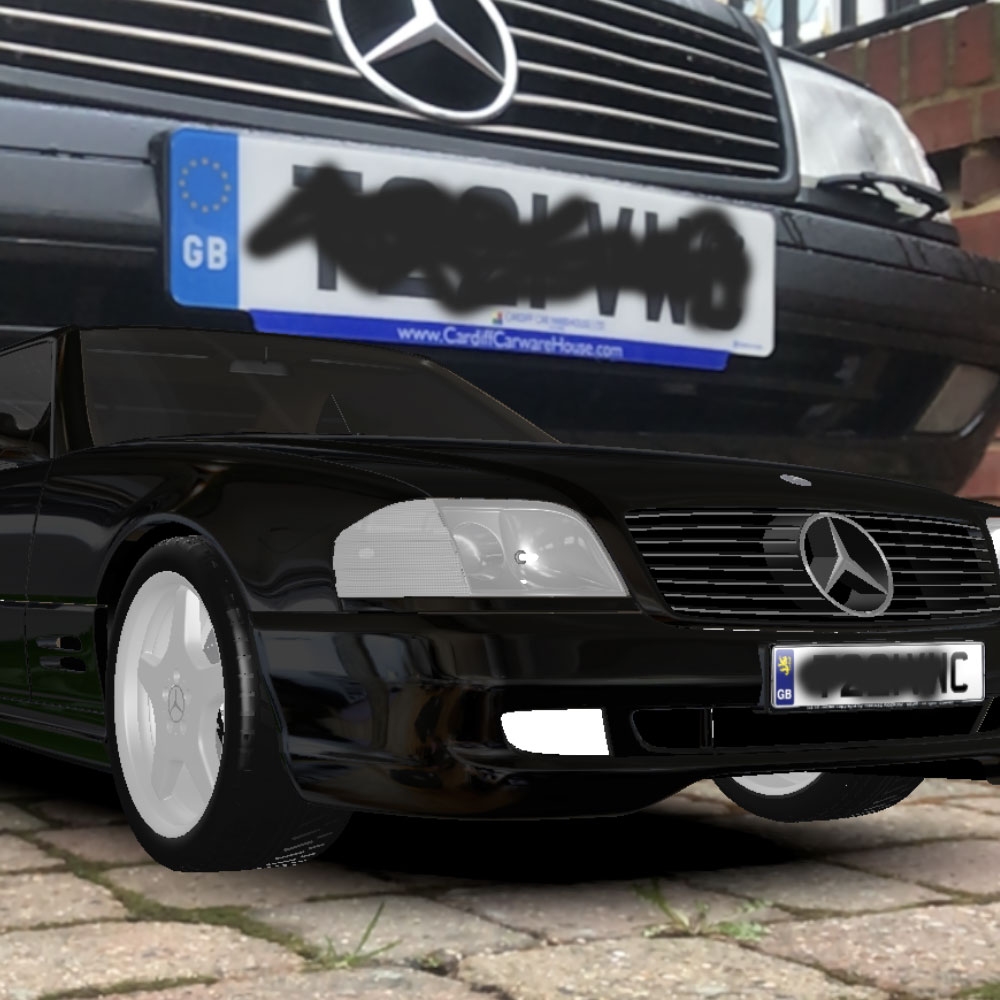
Lewis Hamilton AR demo
Just a quick experiment for an interactive popup. Turbosquid model assets were cleaned and optimised in 3ds Max, with textures updated to match Lewis’s current race suit. Mixamo motion capture drove a jump-off-the-car sequence; the asset was then imported into SceneKit in Xcode for the AR scene.
Part of a wider set of AR experiences developed for Mercedes-Benz retail.